The real cost of Свежие фрукты и овощи с доставкой: hidden expenses revealed
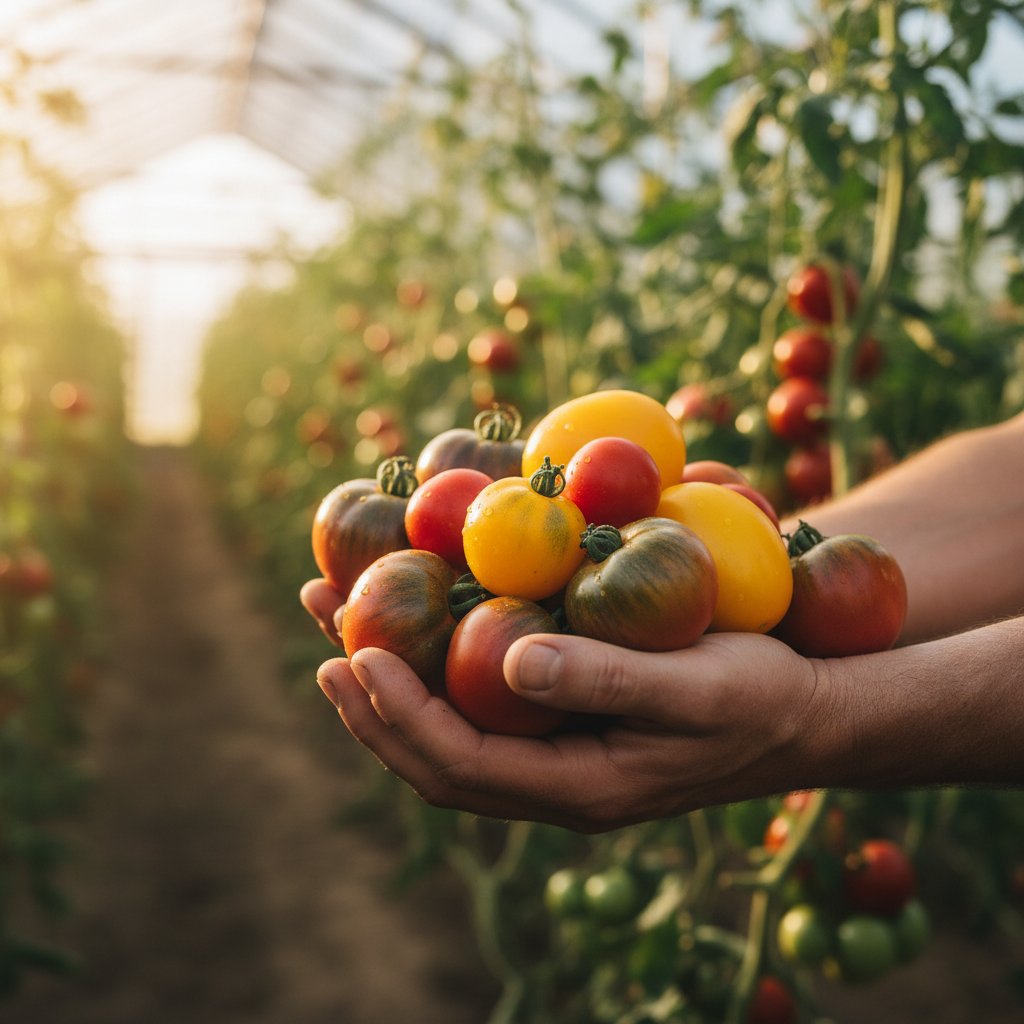
My neighbor Sarah was beaming last Tuesday. "I'm saving so much time!" she chirped, showing me her phone with a fresh produce delivery app. "No more grocery store madness." Three months later, she quietly canceled her subscription. The reason? Her monthly food bill had mysteriously ballooned by 40%.
She's not alone. The convenience of getting farm-fresh fruits and vegetables delivered to your doorstep sounds perfect until you actually crunch the numbers. What looks like a $35 order on your screen rarely ends up being just $35 when everything's tallied up.
The Sticker Shock Nobody Talks About
Here's the thing about fresh produce delivery services: they're masters at making costs look smaller than they are. That organic apple costs $1.20 at your local market. Through a delivery service? Try $1.95. Sometimes more.
A recent analysis by consumer advocates found that individual item markups range from 15% to 35% above traditional grocery store prices. That's before we even get to the fun stuff.
Delivery Fees: The Obvious Culprit
Most services charge between $5.99 and $9.99 per delivery. Sounds reasonable, right? But here's where it gets interesting. Many require minimum order sizes—usually $30 to $50—to even qualify for delivery. Don't hit that threshold? Add another $3 to $5 surcharge.
Rush delivery costs extra. Weekend slots cost extra. Peak hour deliveries? You guessed it. One service I tested charged $12.99 for a Saturday morning slot versus $6.99 for Tuesday afternoon.
The Subscription Trap
Services love pushing monthly memberships. "Only $12.99 a month for free delivery!" they promise. Do the math though. Unless you're ordering at least three times monthly, you're losing money. According to data from financial tracking apps, 68% of subscribers order twice or less per month.
That's essentially paying $6.50 per order for nothing.
Hidden Costs That Bite Later
The sneaky expenses are where things get really expensive.
Minimum Weight Games
Want 2 tomatoes? Some services force you to order by weight minimums—half a pound, one pound, sometimes more. You're paying for produce you didn't want and might not use. Food waste becomes a hidden cost that doesn't show up on your receipt but definitely hits your wallet.
Industry insiders estimate that delivery customers waste 22% more produce than traditional shoppers because of these forced quantities.
Service Fees and Platform Charges
Beyond delivery fees, many apps tack on "service fees" ranging from 10% to 15% of your order total. A $40 produce order suddenly becomes $46 before delivery costs. These fees often appear in tiny print or only at checkout.
As Marcus Chen, a former operations manager for a major delivery platform, told me: "The business model depends on layered fees. No single charge looks unreasonable, but together they add 30-40% to every order. Most customers never calculate the total impact."
Tipping Culture
Your delivery driver isn't getting rich from those service fees. Expected tips range from 15% to 20% of your order. On a $40 produce run, that's another $6 to $8. It's the right thing to do, but it's also another cost that transforms your "convenient" order into something significantly pricier than a quick store run.
Quality Roulette
Here's something nobody mentions in those glossy marketing emails: someone else is picking your produce. Sometimes you get lucky. Often you don't.
When wilted lettuce or bruised peaches arrive, most services offer refunds or credits. But that means placing another order, paying more fees, and waiting again. The time you "saved" evaporates while you're photographing damaged goods and chatting with customer service.
Replacement orders typically take 24-48 hours to process. Meanwhile, you're still making that grocery store trip anyway.
The Real Math
Let's break down an actual scenario. You need basics for the week: apples, bananas, lettuce, tomatoes, cucumbers, and berries.
Local market: $28.50
Delivery service base cost: $36.40
Delivery fee: $7.99
Service fee (12%): $4.37
Tip (18%): $8.78
Total: $57.54
That's a 102% markup for convenience. Over a year of weekly orders, you're spending an extra $1,510.
Key Takeaways
- Item markups alone add 15-35% to your grocery bill before any fees
- Total delivery costs (fees + tips + service charges) typically add $15-25 per order
- Monthly subscriptions only save money if you order 3+ times per month
- Forced quantity minimums increase food waste by approximately 22%
- Annual cost difference between delivery and store shopping: $1,200-1,800 for average families
When It Actually Makes Sense
Look, I'm not saying delivery is always a bad deal. If you're mobility-limited, lack transportation, or your time genuinely is worth $50+ per hour, the convenience can justify the premium. New parents drowning in diapers and sleep deprivation? Yeah, pay the fees.
But for most people, the "convenience" is really just paying a premium for procrastination. Sarah figured this out when she started actually tracking her spending. She now does a big weekly shop and saves the delivery service for emergencies only.
Her monthly food budget dropped back to normal within six weeks.
The fresh produce delivery dream is real—it's just way more expensive than anyone wants to admit upfront. Before you sign up, calculate what you're actually spending per order, not just what the marketing promises. Your wallet will thank you.